UX/UI Projects
I returned to the classroom in 2025 on full scholarship to pursue a certificate of UX Research and Design from the Oregon Institute of Technology.
UX Content Strategy for Brands
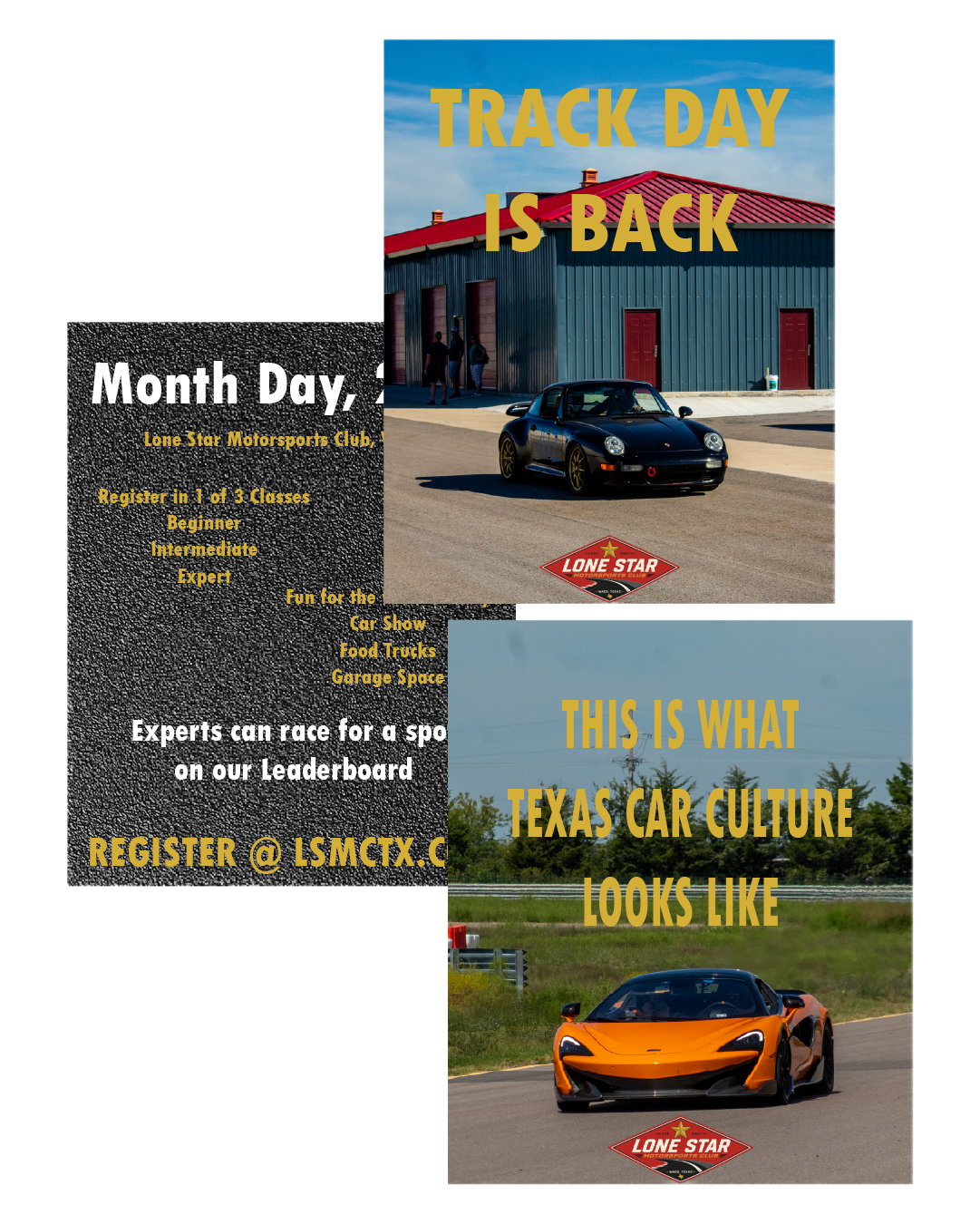
In my final semester for my UX research and design certificate, I took Professional Writing and Rhetoric 320: Content Strategy. For the final, I was tasked with creating a conceptual branding plan for a hypothetical company with the assistance of an AI.
I chose to utilize Anthropic’s Claude platform as I didn’t want to rely on AI image or video generation for the mockup. The assignment called for writing up a newsletter email, a blogpost, and a social media post. I was surprised at the ability to actually latch onto the tone that I had built for the brand. Despite that, there were still telltale signs of AI usage that stood out; the constant using of em dashes, the outgoing usage of emojis, and just an overall robotic tone due to the lack of in-person experience all play a part in the somewhat lower level content that was generated. While it had some level of usability for a professional brand, it wasn’t at a level at which human-generated content would’ve been.
The newsletter was the strongest output, hitting the bold and community-driven tone I had established for the brand. The blog post was solid structurally but felt too long and impersonal, missing the kind of detail that only comes from someone who has actually experienced the events being described.
The Instagram content was where AI struggled most. The carousel concept was well-organized, but the caption felt tailored to an existing audience rather than designed to pull in new ones. However, the hashtag strategy was the one area where AI genuinely delivered without needing much correction for this medium of content.
My takeaway was that Claude works best as a strategic launchpad: strong for structure, SEO ideation, and keyword strategy, but the authentic brand voice still needs a human hand to land correctly. The assignment pushed me to think critically about where AI genuinely adds value in a content workflow versus where it risks flattening the personality a brand works hard to build.
The full report for this is available here.
FIXD Mobile OBD-II App
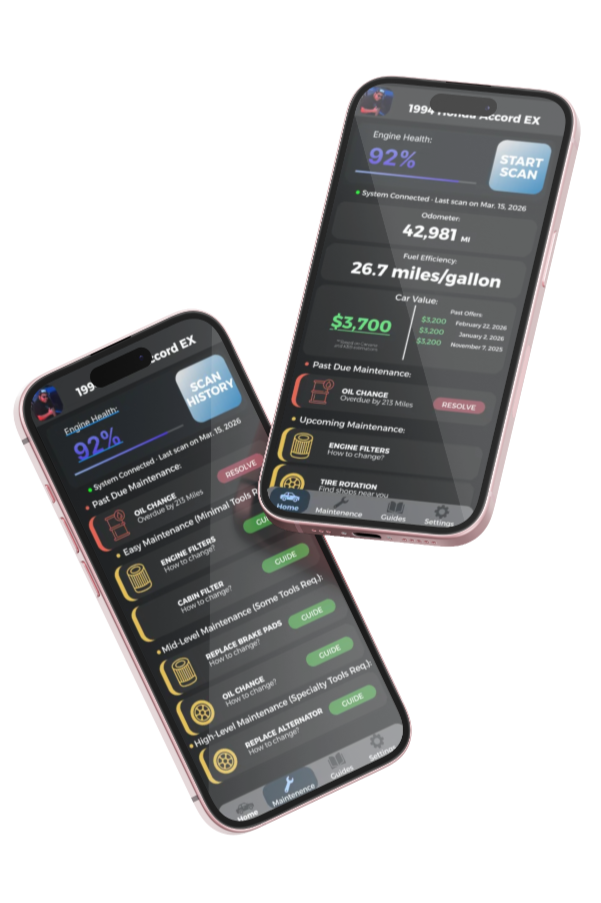
I was originally gifted a FIXD brand Bluetooth OBD-II scanner for Christmas of 2025. I really enjoyed having something that made car maintenance easier to follow along and keep track of (I also got my far share of using the built-in 0-60mph timer in the app).
Something that always bothered me was the simplicity of the app.
For my design thinking class, I worked to redesign the app. I took more of a technological driven approach as the product was built for the home mechanic rather than the professional. It should relate more to somebody who just wants the information.
I simplified the app by building various levels of wireframes, focused on what was important to the product. Ultimately I redesigned it to be centered on 4 main pages: Home, Maintenance, Vehicle Guide, and Application Settings. This allows for easy access for users to find what they want, when they need it. The most important maintenance items would be featured on the home page, alongside information about fuel efficiency (measured while driving), a current read of the odometer, as well as a brief (and unofficial) quote for the value of the car.
The sample wireframes were built up in Adobe Illustrator and Photoshop, but the final concept was designed using Figma.